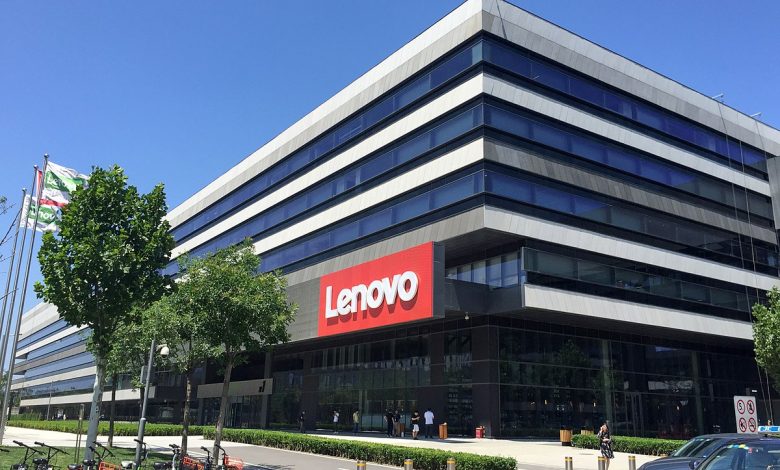
Lenovo became a major player in the U.S. PC market through a combination of **strategic acquisitions, aggressive pricing, strong enterprise partnerships, and innovation**.
Here’s how Lenovo established itself as a dominant brand in the U.S.:
Lenovo became a major player in the U.S. market through a combination of **strategic acquisitions, innovation, brand positioning, and aggressive market expansion**. Here’s a breakdown of how Lenovo achieved its dominance in the U.S.:
### **1. Acquisition of IBM’s PC Division (2005)** – Lenovo’s **biggest move** into the U.S. market was its **$1.25 billion acquisition of IBM’s personal computing business**. – This deal included IBM’s **ThinkPad and ThinkCentre brands**, which were already popular among American businesses and professionals. – The acquisition gave Lenovo **instant credibility, an established customer base, and a strong distribution network** in the U.S.
### **2. Maintaining and Improving the ThinkPad Brand** – Lenovo **did not drastically change** the ThinkPad product line, which was highly respected in the corporate world. – Instead, it **enhanced ThinkPad designs, improved durability, and boosted performance** while keeping the iconic features like the red TrackPoint. – ThinkPads continued to be favored by businesses, professionals, and government agencies.
### **3. Aggressive R&D and Innovation** – Lenovo invested heavily in **research and development**, maintaining high-quality standards in **laptops, desktops, tablets, and gaming PCs**. – It introduced **new form factors**, including **convertible laptops (Yoga series)** and **high-performance gaming laptops (Legion series)**. – The company also pushed **5G connectivity, AI-powered computing, and cloud services**.
### **4. Strong Presence in Business & Enterprise Market** – Lenovo capitalized on its IBM legacy by **expanding into corporate and government contracts**. – It provided **customizable IT solutions** for businesses, data centers, and cloud computing needs. – This focus on enterprise clients ensured **consistent revenue and market stability**.
### **5. Expansion into Consumer and Gaming Markets** – Lenovo aggressively entered the **consumer laptop market** with affordable and reliable models in its **IdeaPad and Yoga series**. – It expanded into **gaming** with the **Legion brand**, competing with Dell’s Alienware, HP’s Omen, and ASUS’s ROG. – Lenovo’s gaming PCs provided **high performance at competitive prices**, making them popular among gamers.
### **6. Strategic Manufacturing and Supply Chain Management** – Lenovo **diversified its manufacturing** to ensure cost efficiency and avoid supply chain disruptions. – It has factories in **China, the U.S. (North Carolina), Mexico, and Europe**, allowing **faster production and shipping**. – The company leveraged its **vertical integration** to maintain affordability without sacrificing quality.
### **7. Smart Marketing and Sponsorship Deals** – Lenovo heavily invested in marketing campaigns and strategic sponsorships, such as: – **Olympics & Formula 1** sponsorships. – **Esports partnerships** to promote Legion gaming PCs. – Targeted **social media and influencer marketing** to attract younger customers.
### **8. Competitive Pricing & Strong Retail Presence** – Lenovo offers **competitive pricing compared to Dell, HP, and Apple**, making its products attractive for both budget-conscious and premium users. – It maintains a strong presence in **retail stores like Best Buy, Walmart, and Costco**, along with **direct online sales through its website and Amazon**.
### **9. Expansion into Smartphones and Smart Devices** – Lenovo acquired **Motorola Mobility from Google in 2014** for $2.91 billion, strengthening its foothold in the U.S. smartphone market. – It also invested in **tablets, smart home devices, and AR/VR technology** to stay relevant in the evolving tech landscape.
### **10. Focus on AI and Future Technologies** – Lenovo is actively working on **AI-powered computing, edge computing, and cloud solutions**. – It is integrating **AI in its PCs, smart assistants, and IoT devices**, keeping ahead of the curve.
### **Conclusion** Lenovo’s **rise in the U.S.** was fueled by smart acquisitions (IBM, Motorola), continuous innovation, strong brand positioning, and aggressive expansion into consumer, enterprise, and gaming markets. Its ability to **balance quality, performance, and affordability** has made it one of the most dominant PC brands in the U.S. today. 🚀
Tech Gurug is a leading Technology Journal. Our Expert Mr Nishant Patar have decade of experience in Tech World. He and other experts are sharing their knowledge here. Also, see our Youtube Channel Tech Gurug and Yatra Gurug. Comment Guidelines : Genuine Name, No Links in comment, No Flooding Comments and Genuine Comment or your comment will be deleted or get ban from this site.