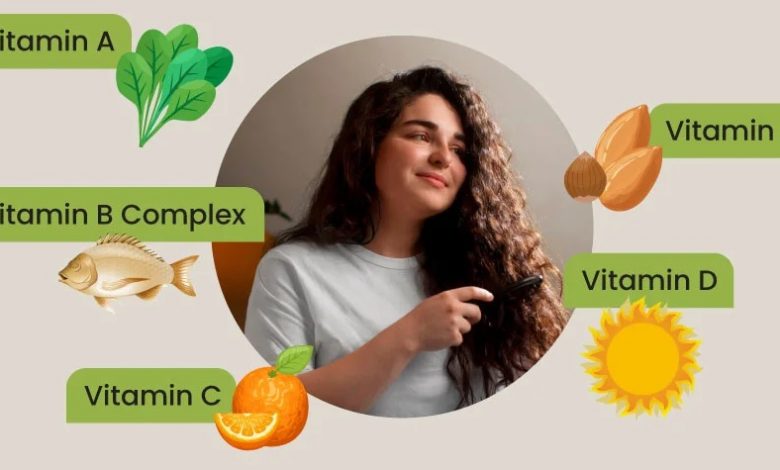
Essential Vitamins for Hair Growth & Where to Get Them ?
Healthy hair growth depends on key vitamins and nutrients that support scalp health, follicle strength, and overall hair quality.
Here are the most important vitamins for hair growth and their best food sources:
1. Biotin (Vitamin B7) – “The Hair Vitamin”
Biotin, also known as Vitamin B7 or Vitamin H, is a water-soluble B-complex vitamin essential for various metabolic processes in the body. It plays a crucial role in energy production, nutrient metabolism, and the health of hair, skin, and nails. Because of its significant impact on hair growth and strength, it is often referred to as “The Hair Vitamin.”
Functions of Biotin
Supports Hair Growth and Strength: Helps in keratin production, improves hair thickness, and reduces hair fall.
Promotes Healthy Skin: Prevents dry skin and supports hydration and elasticity.
Strengthens Nails: Enhances nail growth and prevents brittleness.
Aids in Metabolism: Helps in breaking down carbohydrates, fats, and proteins for energy.
Regulates Blood Sugar Levels: May assist in managing glucose levels.
Supports Brain Function: Helps maintain cognitive function and mental clarity.
Sources of Biotin
Biotin is naturally found in various foods, including:
Other Sources: Bananas, avocados, mushrooms, yeast.
Biotin Deficiency and Symptoms
Though rare, biotin deficiency can occur due to poor diet, excessive alcohol consumption, pregnancy, or genetic disorders. Symptoms include:
Hair thinning or hair loss
Dry and flaky skin
Brittle nails
Fatigue and muscle pain
Depression or mood swings
Biotin Supplements
Biotin supplements are widely used for hair growth and beauty benefits. They come in different forms such as tablets, capsules, and gummies, usually in doses ranging from 2,500 mcg to 10,000 mcg. While generally safe, excessive intake may cause skin breakouts or digestive issues.
Conclusion
Biotin is a vital nutrient for hair growth, skin health, and metabolism. While a balanced diet provides sufficient amounts, supplements can be beneficial for individuals experiencing hair loss or brittle nails. It is always best to consult a healthcare provider before starting high-dose supplements.
2. Vitamin D – “The Follicle Booster”
Vitamin D, often called the **”Sunshine Vitamin,”** is a fat-soluble vitamin essential for **bone health, immune function, and hair growth**. It plays a crucial role in the **creation of new hair follicles**, making it a powerful nutrient for preventing hair thinning and promoting healthy hair growth.
Supports Immune Health: Protects the scalp from infections that can cause hair loss.
Aids Calcium Absorption: Helps in bone and teeth strength, indirectly benefiting hair health.
Reduces Inflammation: Prevents scalp conditions like dandruff and psoriasis.
Sources of Vitamin D
You can get Vitamin D from multiple sources:
Sunlight: The best natural source; 10-30 minutes of sun exposure helps produce sufficient Vitamin D.
Food Sources: Fatty fish (salmon, tuna), egg yolks, mushrooms, dairy products, and fortified cereals.
Supplements: Vitamin D2 and D3 supplements can help maintain adequate levels.
Vitamin D Deficiency and Hair Loss
Vitamin D deficiency has been linked to **alopecia (hair loss)** and slow hair regrowth. Common symptoms include:
Hair thinning and excessive shedding
Slow hair regrowth
Dry, itchy scalp
Fatigue and muscle weakness
Weak bones and joint pain
Vitamin D Supplements
To combat deficiency, Vitamin D supplements (D3 is the preferred form) are available in doses ranging from **400 IU to 5000 IU**. It is best to take them with meals containing healthy fats for better absorption.
Conclusion
Vitamin D is essential for **hair follicle health, immune support, and overall well-being**. While sunlight is the best source, foods and supplements can help maintain optimal levels. If experiencing hair loss, consulting a healthcare provider for a **Vitamin D test** may help determine if supplementation is needed.
4. Vitamin A – “The Sebum Regulator”
Vitamin A is a fat-soluble vitamin essential for **skin health, immune function, and hair growth**. It plays a major role in regulating **sebum production**, which helps **keep the scalp hydrated** and prevents dryness or excessive oiliness.
Functions of Vitamin A
Regulates Sebum Production: Keeps the scalp moisturized, preventing dryness and dandruff.
Supplements: Available as **retinol or beta-carotene** capsules for those with deficiencies.
Vitamin A Deficiency and Hair Health
A lack of Vitamin A can lead to **dry, brittle hair and an unhealthy scalp**. Symptoms include:
Dry and flaky scalp
Increased hair shedding
Slow hair growth
Weak, easily breakable hair strands
Scalp infections due to poor immune response
Vitamin A Overdose Risks
Excessive Vitamin A intake can be harmful, leading to:
Hair thinning or loss
Dizziness and nausea
Liver toxicity
Skin peeling and dryness
**Recommended daily intake:** 700 mcg (women) and 900 mcg (men). Consult a doctor before taking supplements.
Conclusion
Vitamin A is essential for **healthy hair, scalp hydration, and cell regeneration**. While it supports sebum production, both deficiency and excess can cause hair problems. A balanced diet with **Vitamin A-rich foods** is the best way to maintain healthy hair.
Tech Gurug is a leading Technology Journal. Our Expert Mr Nishant Patar have decade of experience in Tech World. He and other experts are sharing their knowledge here. Also, see our Youtube Channel Tech Gurug and Yatra Gurug. Comment Guidelines : Genuine Name, No Links in comment, No Flooding Comments and Genuine Comment or your comment will be deleted or get ban from this site.